
How Much Light Do Indoor Plants Need? A Beginner Guide
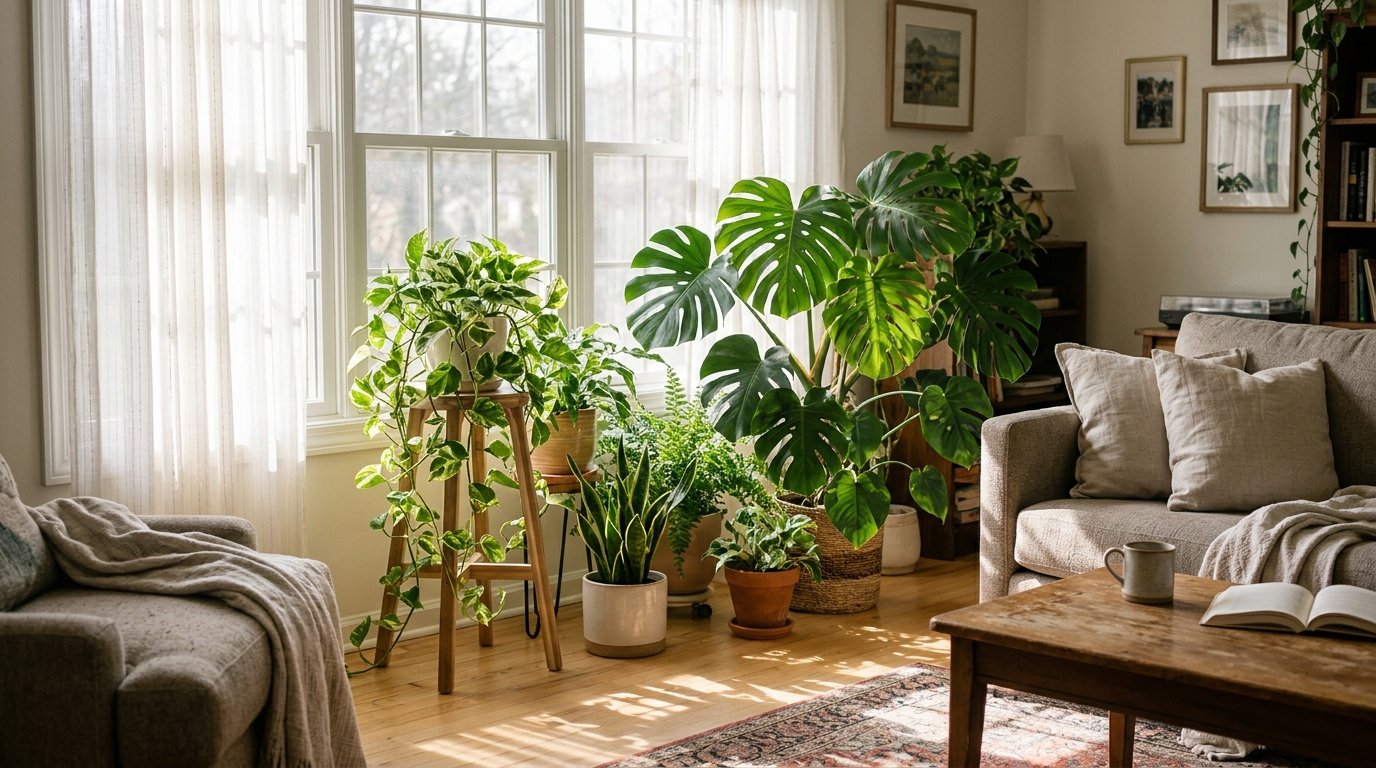
Most indoor plants need bright, indirect light to grow well. That means a bright spot near a window, where the plant can see a wide view of the sky, but the sun does not hit the leaves for long. A few tough plants, like snake plants and ZZ plants, can cope with low light. A few sun lovers, like succulents, need direct sun. But most common houseplants sit in the middle. They want bright, indirect light for most of the day.
Light is food for a plant. Without enough light, a plant cannot make the energy it needs to grow. It will grow slowly, stretch toward the window, and drop leaves. With too much direct sun, the leaves can scorch and turn brown. This guide shows you how much light indoor plants need, in plain words.
How Much Light Do Indoor Plants Need?
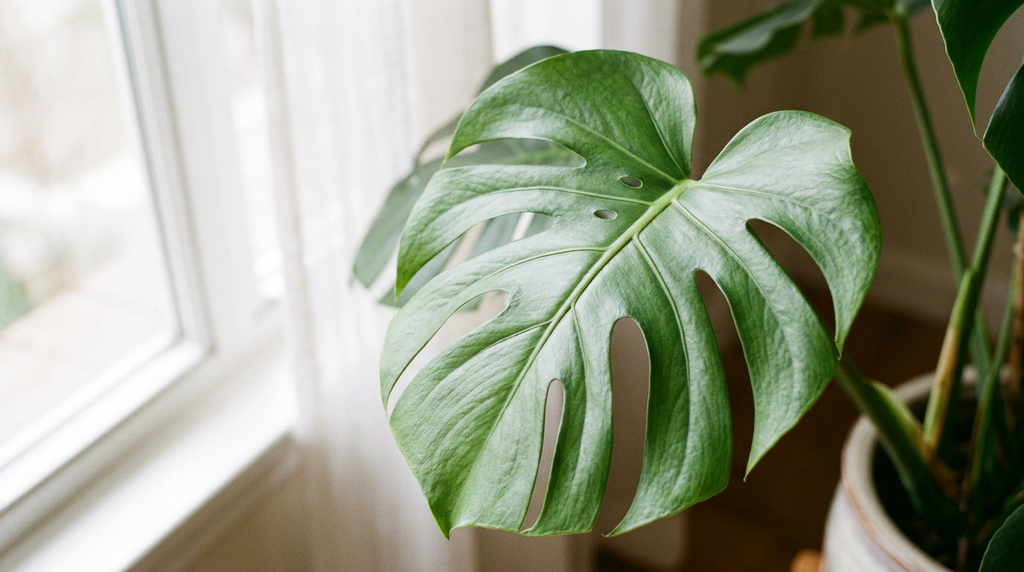
The short answer is that most indoor plants need bright, indirect light for about 10 to 14 hours a day. That is the light you get near an east-facing window, or a few feet back from a south or west-facing window. Low-light plants need less. They can grow with about 8 to 12 hours of softer light a day. High-light plants need more. They want several hours of direct sun, or a very bright spot close to a south or west window.
University extension guides measure light in foot-candles. One foot-candle is about the light from one candle one foot away. Their ranges differ a little from one guide to another. But the bands below are the ones most guides agree on, from the University of Missouri Extension lighting guide and the University of Minnesota Extension.
Low light is about 50 to 250 foot-candles. Medium light is about 250 to 1,000 foot-candles. High light is 1,000 foot-candles or more. Most common houseplants grow best in the medium band. That is why the advice is so often the same: bright, indirect light.
How long should the light last each day?
Hours matter as much as brightness. A plant needs a clear day and night. Most indoor plants do well with 10 to 14 hours of light and 10 to 14 hours of dark. Low-light plants need only 8 to 12 hours. Plants should not get light 24 hours a day. They need a dark period to rest and grow properly. Extension guides say to keep total light, from windows and lamps together, to no more than 16 hours a day.
Low, Medium, and High Light: What Each One Means
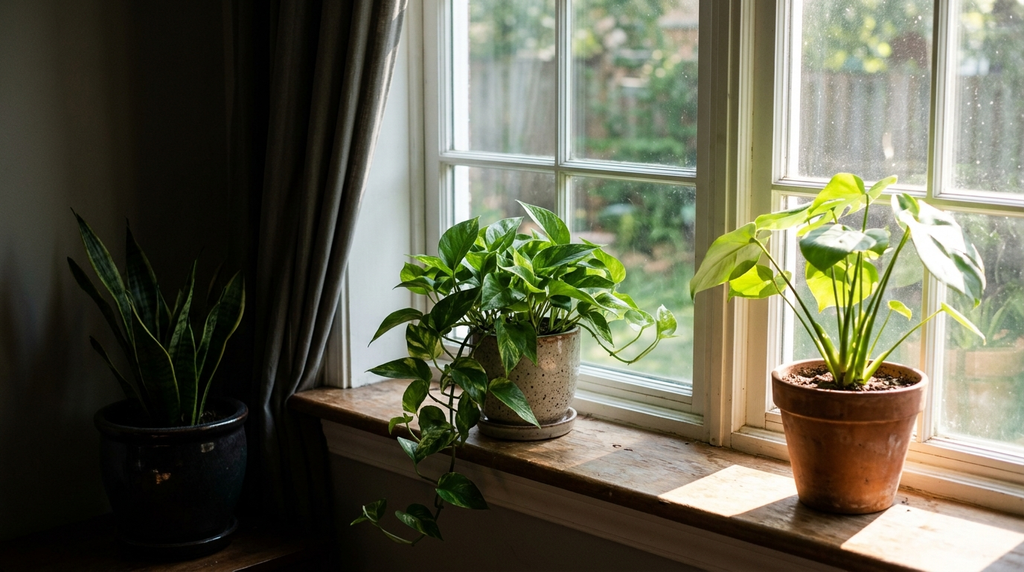
Low light does not mean no light. It means a dim spot, with no direct sun. Think of a north-facing window, a corner across the room from a window, or a spot more than 8 feet from a bright window. The light there is soft enough to read by during the day, but there is no sun on the leaves. Only a few tough plants grow well here. Snake plants, ZZ plants, cast iron plants, and pothos can cope with low light. But even they grow faster in brighter light.
Medium light means a spot with bright, soft light for most of the day. Think of an east-facing window, or a spot a few feet back from a south or west window. The plant can see the sky clearly, but the sun does not hit the leaves for long. Most tropical houseplants grow best here. Monstera, philodendron, peace lily, spider plant, and rubber plant all suit medium light.
High light means a bright spot with several hours of direct sun. Think of a spot within a few feet of an unblocked south or west window. Succulents, cacti, jade plants, and crotons need this level of light. They will stretch and grow weak in a dim room. But even sun lovers should be moved into direct sun slowly. Start with about two hours of direct sun a day, then add more over a week or two.
A note on distance from the window
Light drops fast as you move away from a window. A plant right next to a bright window can get ten times more light than the same plant 10 feet away. That is why a room can feel bright to you, but still be low light for a plant. Your eyes adjust to dim light. A plant cannot.
Best Window for Indoor Plants
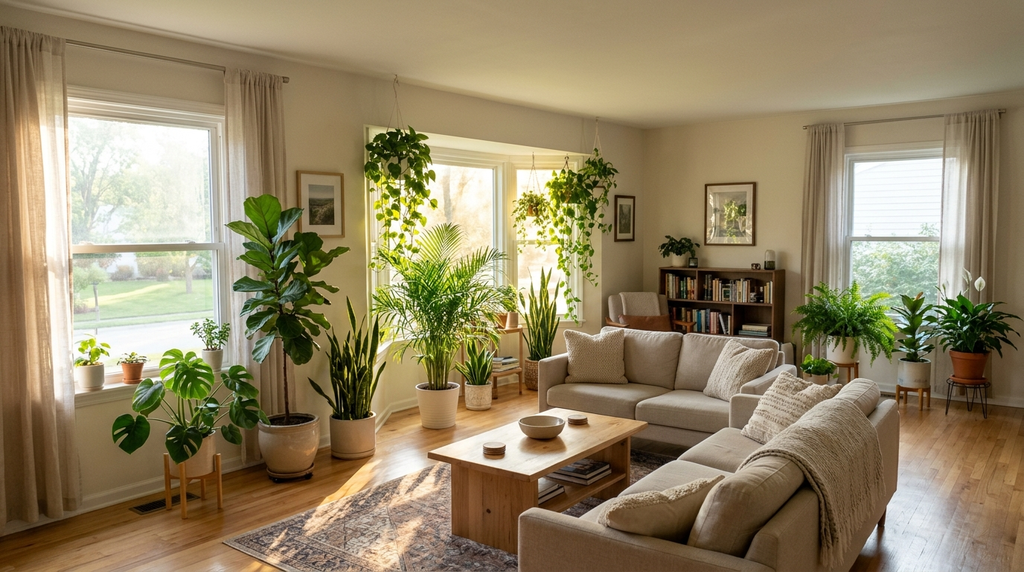
In the United States, and in other Northern Hemisphere countries like the UK and Canada, window direction decides how much light a plant gets. South-facing windows get the most light. They get several hours of direct sun, above all in winter when the sun is low. East-facing windows get gentle morning sun. West-facing windows get strong afternoon sun. North-facing windows get the least light, and almost no direct sun.
South windows suit sun lovers, like succulents and cacti. They also suit most plants in winter, when the light is weaker. But in summer, the strong sun through a south window can scorch soft leaves. A sheer curtain can soften it. Or move the plant a few feet back from the glass.
East windows suit most tropical houseplants, with gentle morning sun. Monstera, pothos, and peace lilies do well there. West windows suit plants that like strong light, but the afternoon sun can be harsh. North windows suit only low-light plants, like snake plants and ZZ plants.
What about Australia and other Southern Hemisphere homes?
In Australia, New Zealand, and South Africa, the directions are reversed. North-facing windows get the most sun, and south-facing windows get the least. The light levels in this guide still apply. Only the window directions change. So if you live in the Southern Hemisphere, read north for south, and south for north, in the window advice above.
How to Test the Light in Your Room
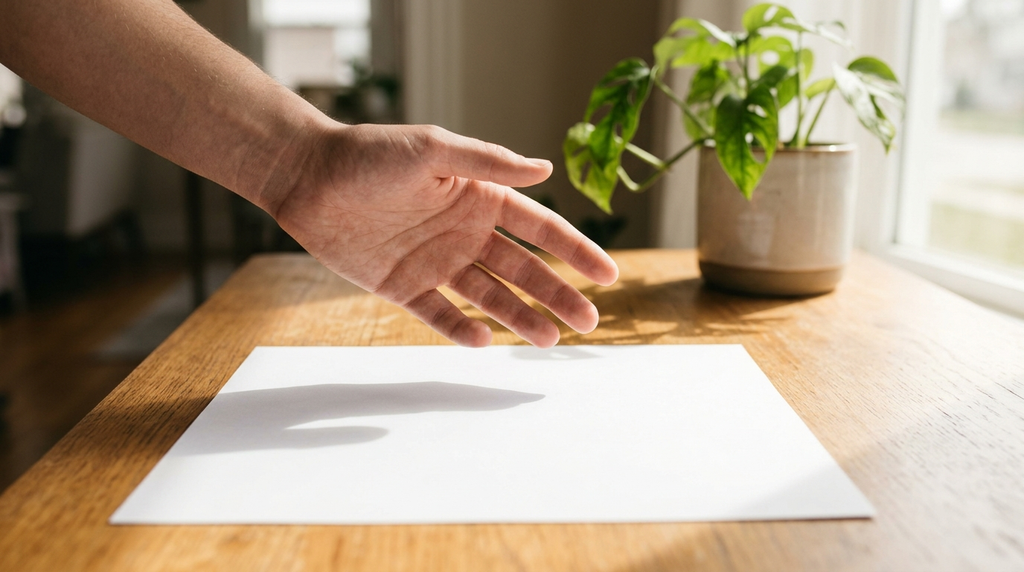
You can test the light in your room in less than a minute, with no tools. Try the shadow test first. Hold your hand about one foot above a piece of white paper, in the spot where your plant will sit, at midday. Look at the shadow your hand casts.
A sharp, dark shadow with clear edges means bright light. The spot is close to a bright window, or in direct sun. A soft shadow with fuzzy edges means medium light. This is bright, indirect light, and it suits most houseplants. A faint shadow, or almost no shadow at all, means low light. Only tough, low-light plants will grow there.
Try the test at different times of day. A spot that is bright at noon may be dim by late afternoon. Check it in the morning, at midday, and in the late afternoon. That will tell you how much light the spot really gets in a day.
The phone meter test
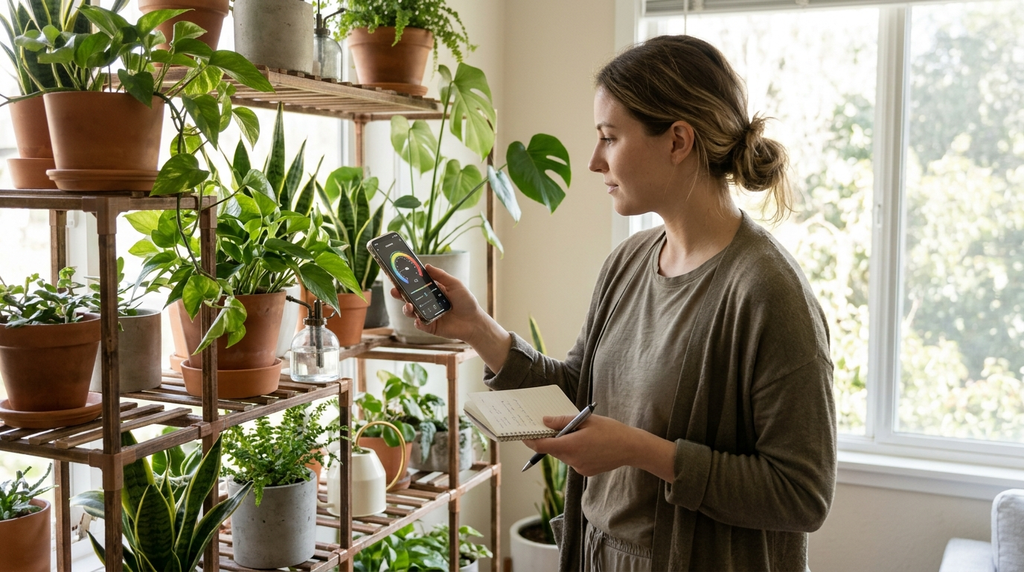
If you want a number, use a free light meter app on your phone. Hold the phone at leaf height, facing the window. Do this at midday on a bright day. A reading below about 250 foot-candles means low light. Between 250 and 1,000 foot-candles means medium light. A reading above 1,000 foot-candles means high light. Phone meters are not exact. But they are good enough to tell a dim corner from a bright window.
Bright Indirect Light, Explained
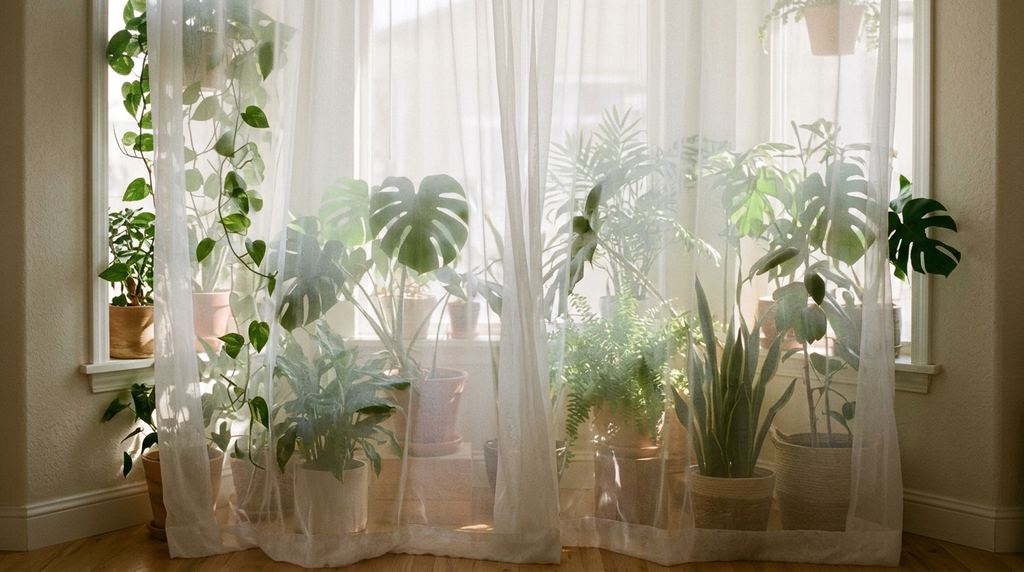
Bright indirect light is the most common advice in plant care, and the most confusing. It means bright light that does not hit the leaves directly. The plant sits in a bright spot, close to a window, but the sun’s rays do not fall on the leaves for long. A sheer curtain, a nearby building, or a few feet of distance can turn direct sun into bright indirect light.
Think of it this way. If you stand where your plant sits and look toward the window, you should see a wide view of the sky. Seeing only a wall, or a narrow strip of sky, means the light is too low. If the sun shines straight onto the leaves for hours, the light is too strong for most tropical plants.
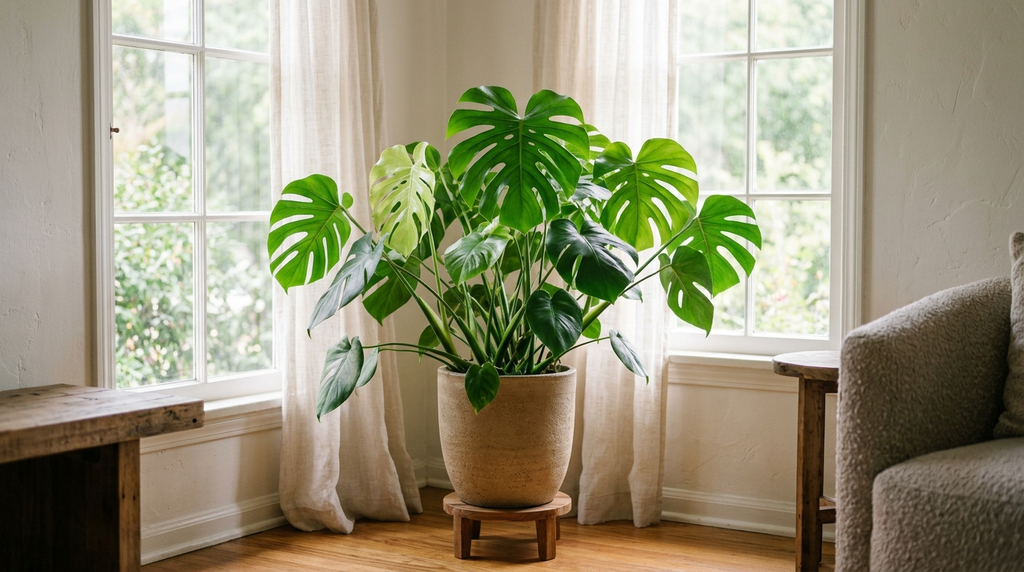
The easiest way to get bright indirect light is to put the plant close to an east-facing window. Or put it a few feet back from a south or west-facing window. Or put it right next to a south or west window, behind a sheer curtain. All three spots give bright, indirect light for most of the day.
Why bright indirect light suits most houseplants
Most common houseplants come from tropical forests. In the wild, they grow under tall trees. They get bright light filtered through leaves, not full sun. That is why they grow best in bright, indirect light at home. It is close to the light they evolved for. Direct sun can burn their soft leaves. Deep shade can starve them of energy. Bright, indirect light sits in the middle, and it suits them best.
Lamp Light, Grow Lights, and Light Color
A normal household lamp does count as light for a plant. But on its own, it is usually not enough. Ordinary lamps are made for human eyes, not for plants. They are often warm in color, around 2,700 K, and they give off far less light than the sun. A normal lamp a few feet away from a plant gives only a few hundred lux. Direct sunlight can give more than 100,000 lux. So a lamp in the corner will not replace a window.
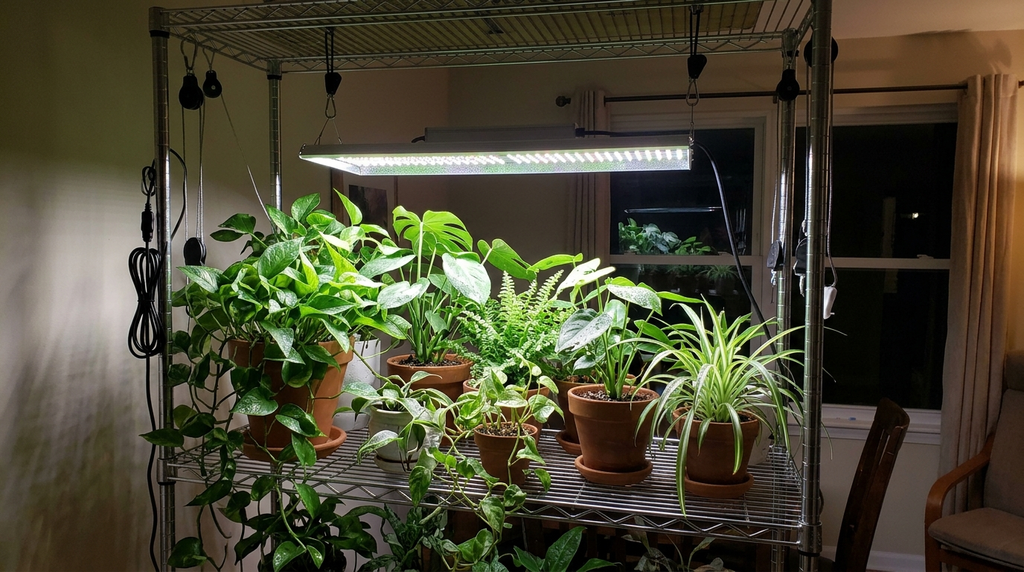
A regular LED or fluorescent lamp can help, if it is close to the plant and bright enough. Choose a cool white lamp, in the 5,000 to 6,500 K range. That color looks almost blue-white, and it gives plants the blue light they need for leaf growth. Put the lamp close above the leaves, about 12 to 24 inches away. Run it for 12 to 14 hours a day, on a timer.
A grow light is a better choice if your room has no good window. Grow lights are made for plants. A full-spectrum white LED grow light, in the 4,000 to 6,500 K range, is the most practical choice for most homes. Hang it 12 to 24 inches above the plant. Run it for 12 to 14 hours a day for most tropical plants. Low-light plants need only 8 to 12 hours.
What color light is best for indoor plants?
Plants use blue light and red light most. Blue light, around 450 nanometers, helps leaves grow strong and green. Red light, around 660 nanometers, helps flowers and fruit grow. Full-spectrum white light gives the plant both, plus the green and yellow light in between. That is why a full-spectrum white LED is the simple choice for most indoor plants. Colored purple grow lights can work too. But they make it hard to see if your plant is healthy, because everything looks purple under them.
Too Much or Too Little Light: The Signs
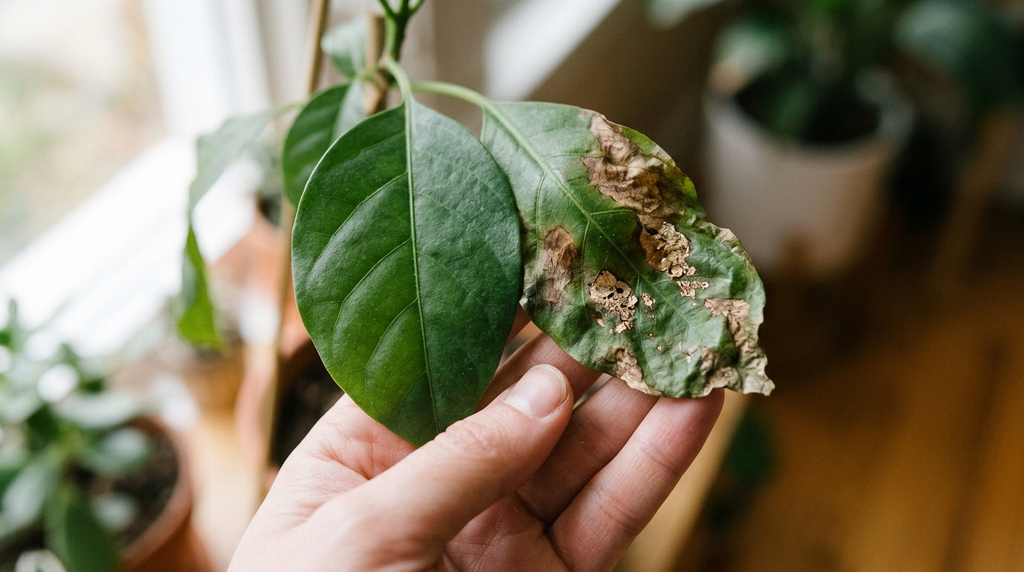
Your plant will show you when the light is wrong. The signs of too little light and too much light can look different, once you know what to look for. Check the light first, before you change the water or the food. Light is often the real problem.
Signs of too little light include long, stretched stems with wide gaps between the leaves. The plant leans hard toward the window. New leaves are small and pale. The plant grows very slowly, or not at all. Variegated leaves, with white or yellow marks, may turn plain green. The plant is reaching for more light, and it is using up its stored energy to do it.
Signs of too much light include brown, dry patches on the leaves, above all on the side facing the window. The leaves may look bleached or faded. Leaf edges may turn crispy and brown. The soil may dry out very fast. The plant may droop in the afternoon sun, even when the soil is damp. These are sunburn signs, not thirst signs.
How to fix the light
If the light is too low, move the plant closer to a brighter window, a little at a time. Or add a grow light above it. If the light is too strong, move the plant a few feet back from the window. Or hang a sheer curtain between the plant and the glass. Move a plant into brighter light slowly. Start with about two hours of stronger light a day, then add more over a week. A sudden move from shade to full sun can scorch leaves that are not used to it.
Light for Different Indoor Plants
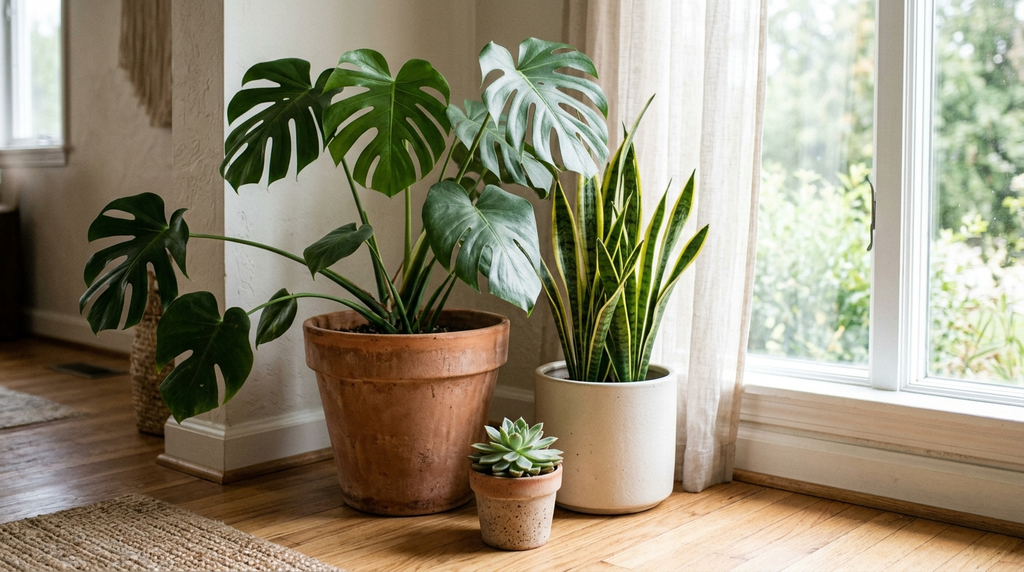
Different plants need different amounts of light, even in the same room. The key is to learn what each type likes. Group plants with similar light needs together if you can. That makes it much easier to find the right spot for each one.
Monstera and pothos like bright, indirect light. They grow fast there, with large, healthy leaves. They can cope with a little less light, but they will grow slowly and stretch. Our Monstera Deliciosa Care guide covers monstera light and soil in more detail. The same bright, indirect light suits most tropical foliage plants.
Snake plants and ZZ plants are the toughest low-light plants. They can grow in a north-facing window, or several feet from a bright window. But they grow faster in bright, indirect light. Our How to Take Care of a Snake Plant Indoors guide explains this in detail. Snake plants also need far less water than tropical plants. Our How to Water Indoor Plants guide explains why light and water work together. A plant in low light uses less water, so its soil stays wet for longer.
Succulents and cacti need the most light. They want several hours of direct sun, or a very bright south or west window. In a dim room, they will stretch, turn pale, and grow weak. Tall plants in large pots, like the ones in our 15 Best Tall Indoor Plants for Every Room guide, need bright, indirect light in most cases. But check each plant on its own. A tall plant by a bright window will need water more often than the same plant in a dim corner.
Frequently Asked Questions
How much sunlight do my indoor plants need?
Most indoor plants need bright, indirect light for about 10 to 14 hours a day. That is the light near an east-facing window, or a few feet back from a south or west-facing window. Low-light plants need only 8 to 12 hours of softer light. Sun lovers need several hours of direct sun.
Does lamp light count as light for plants?
Yes, lamp light counts, but a normal household lamp is usually not enough on its own. Ordinary lamps are made for human eyes. They are often warm in color and give off far less light than the sun. A cool white LED lamp, in the 5,000 to 6,500 K range, close above the plant, can help. A full-spectrum grow light is a better choice if your room has no good window.
What color light is best for indoor plants?
Full-spectrum white light is best for most indoor plants. It gives the plant blue light for leaf growth and red light for flowers. Blue light, around 450 nanometers, helps leaves grow strong. Red light, around 660 nanometers, helps flowers grow. A full-spectrum white LED, in the 4,000 to 6,500 K range, gives both.
How can I tell if my plant is getting too little light?
Look for long, stretched stems with wide gaps between the leaves. The plant leans hard toward the window. New leaves are small and pale. The plant grows very slowly, or not at all. Variegated leaves may turn plain green. These are all signs that the plant needs more light.
How can I tell if my plant is getting too much light?
Look for brown, dry patches on the leaves, above all on the side facing the window. The leaves may look bleached or faded. Leaf edges may turn crispy and brown. Move the plant a few feet back from the window, or hang a sheer curtain between the plant and the glass.
Can indoor plants grow with no natural light at all?
No, indoor plants cannot grow with no light at all. Every plant needs light to make energy. A room with no window will only suit a plant if you add a grow light. Even low-light plants, like snake plants and ZZ plants, need some light each day to stay alive.
Conclusion
Light is the first thing to get right with indoor plants. Most plants need bright, indirect light for about 10 to 14 hours a day. A few tough plants can cope with less. A few sun lovers need more. Once you know which level your plant needs, find the right window, test the light with the shadow test, and watch how your plant responds.
Your next step is simple. Pick one plant today. Stand where it sits and look toward the window. Check the shadow test at midday. If the shadow is faint, move the plant closer to a brighter window. If the leaves show brown patches, move it a few feet back. That one check will tell you more about your plant’s light than any guess ever will.
Next, explore How to Water Indoor Plants, How to Take Care of a Snake Plant Indoors, Monstera Deliciosa Care, 15 Best Tall Indoor Plants for Every Room, and Indoor Plants Hub.

One Comment